


Mastering the Home Inspection Process
Buying or selling a home is a big deal. It’s exciting, but it can also feel overwhelming. One of the most important steps in this journey is the home inspection process. Understanding this process can save you from costly surprises and give you peace of mind. I’m here to walk you through everything you need to know about mastering the home inspection process, so you feel confident and informed every step of the way.
Understanding the Home Inspection Process
The home inspection process is your chance to get a clear picture of the property’s condition. It’s not just about finding problems; it’s about understanding the home’s strengths and weaknesses. When you know what to expect, you can make smarter decisions.
Here’s how the process usually works:
Scheduling the Inspection - Once you decide to move forward with a property, you schedule a professional inspection. I recommend booking early to avoid delays.
The Inspection Day - The inspector arrives and examines the home from top to bottom. This includes the roof, foundation, plumbing, electrical systems, HVAC, and more.
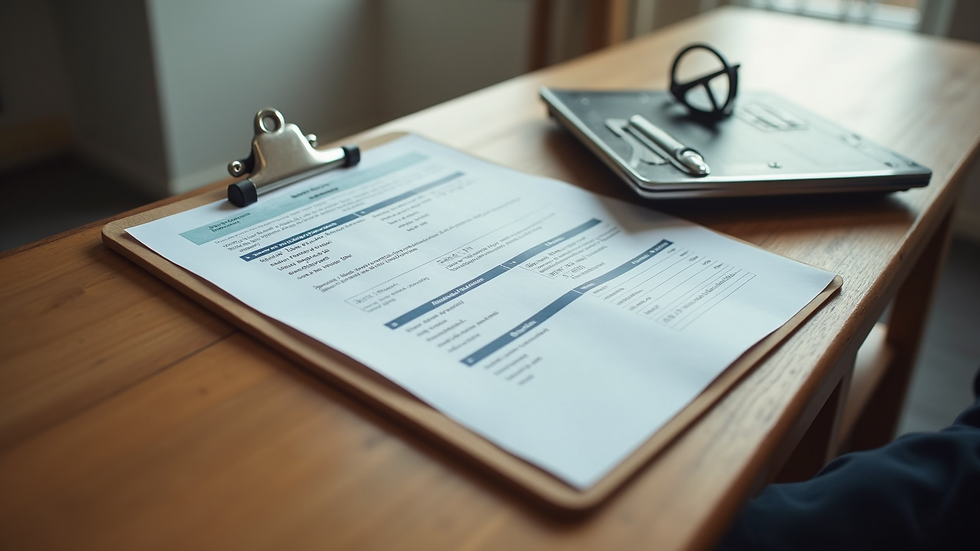
The Inspection Report - After the inspection, you receive a detailed report. This document highlights any issues and offers recommendations.
Review and Negotiation - Use the report to negotiate repairs or price adjustments with the seller.
Final Walkthrough - Before closing, you may do a final walkthrough to ensure agreed-upon repairs are completed.
This process might sound straightforward, but there are nuances that can make a big difference. For example, knowing what to look for during the inspection day or how to interpret the report can empower you to act wisely.

Why the Home Inspection Process Matters
You might wonder, “Why is this process so important?” The answer is simple: it protects your investment. A home is likely the biggest purchase you’ll ever make. Skipping or rushing through the inspection can lead to unexpected repairs and stress.
Here’s why mastering the home inspection process is crucial:
Uncover Hidden Problems: Some issues aren’t visible to the untrained eye. A professional inspector can spot problems like mold, faulty wiring, or structural damage.
Safety First: Inspections help identify safety hazards such as carbon monoxide leaks or faulty smoke detectors.
Negotiation Power: A thorough report gives you leverage to ask for repairs or price reductions.
Peace of Mind: Knowing the home’s condition helps you feel confident about your purchase or sale.
If you want to schedule your own home inspections, working with a certified professional is the best way to ensure you get accurate and reliable information.
What does a typical home inspection consist of?
A typical home inspection covers many areas of the property. The goal is to provide a comprehensive overview of the home’s condition. Here’s what you can expect:
Roof and Gutters: Inspectors check for missing shingles, leaks, and gutter functionality.
Foundation and Structure: They look for cracks, settling, or signs of water damage.
Plumbing System: This includes pipes, faucets, water heaters, and drainage.
Electrical System: Inspectors test outlets, breakers, and wiring for safety and code compliance.
Heating and Cooling: HVAC systems are evaluated for efficiency and condition.
Interior Rooms: Walls, ceilings, floors, windows, and doors are examined for damage or wear.
Attic and Insulation: Proper insulation and ventilation are important for energy efficiency.
Appliances: Built-in appliances may be tested to ensure they work properly.
The inspector will take notes, photos, and sometimes videos to document their findings. This detailed approach helps you understand exactly what you’re dealing with.

Tips for a Smooth Home Inspection Experience
To get the most out of your home inspection, preparation is key. Here are some practical tips:
Be Present During the Inspection: Walking through the home with the inspector allows you to ask questions and see issues firsthand.
Prepare a List of Questions: Don’t hesitate to ask about anything you don’t understand.
Review the Report Carefully: Take your time to read the report and understand the implications of each finding.
Prioritize Repairs: Not all issues are deal-breakers. Focus on safety and major repairs first.
Use the Report for Negotiations: If problems arise, use the inspection report to discuss repairs or price adjustments with the seller.
Remember, the inspection is a tool to help you make informed decisions. It’s not about finding reasons to back out but about knowing what you’re getting into.
Moving Forward with Confidence
Mastering the home inspection process means you’re taking control of your real estate journey. Whether you’re buying or selling, this knowledge helps you avoid surprises and make smart choices.
If you’re ready to take the next step, consider scheduling your home inspections with a trusted, certified professional. A thorough inspection is an investment in your future, safety, and peace of mind.
By understanding the process, knowing what to expect, and preparing properly, you’ll feel empowered and confident. That’s the goal - to help you make decisions that protect your investment and ensure your home is a safe, comfortable place for years to come.


Comments